How Recruiters Read a Resume in 6 Seconds (And How to Win Them Over)
Recruiters spend just 6 seconds scanning your resume — learn what they look for and how to format and tailor your resume to make every second count.
Introduction
Every job seeker has heard about the infamous 6-second rule for resume reviews. In a world where recruiters sift through hundreds of resumes, the fact that they spend only a mere six seconds on average before deciding if a candidate advances can be disheartening. But understanding how recruiters read a resume in such a short time frame can give you a competitive edge in your job search.
This article will not only explain the science behind that six-second glance but will also provide actionable resume tips to help you win recruiters over. From optimizing your formatting to incorporating the right keywords, we’ll cover it all. So let’s dive in!
Understanding the 6-Second Rule
Why Six Seconds?
Studies consistently show that recruiters spend just 6 seconds on average to evaluate a resume. This quick assessment is often driven by several factors, including the sheer volume of applications received. According to Indeed, recruiters often form an initial impression based on visual cues, so it's crucial to make every second count.
What Happens in Those Six Seconds?
During that brief moment, recruiters typically:
- Scan the top third of the resume for key information
- Notice formatting, including font size and clarity
- Look for relevant work experience and skills that match the job description
Understanding this process will help you design your resume to cater to a recruiter's scanning habits.
The Anatomy of a Resume
Key Sections to Include
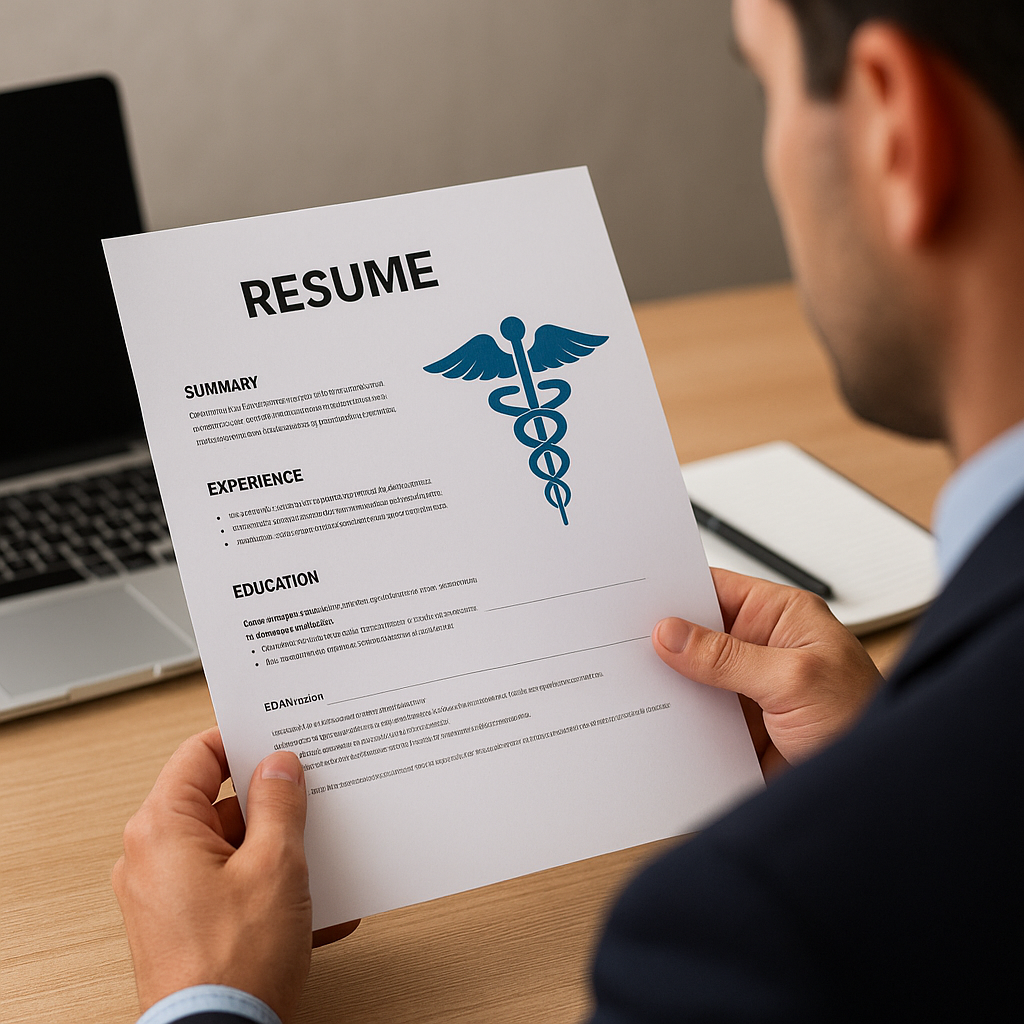
A well-structured resume is critical for making a positive impression in those six seconds. Here’s a breakdown of essential sections to ensure your resume hits all the right notes:
- Contact Information: Always include your name, phone number, email, and LinkedIn profile.
- Summary Statement: A concise and compelling 2-3 sentence summary of your qualifications.
- Work Experience: List relevant jobs with bullet points highlighting accomplishments and responsibilities.
- Education: Your highest degrees, including any certifications that relate to the job.
- Skills: A brief section to showcase both hard and soft skills tailored to the job description.
By organizing your information clearly, you guide the recruiter’s eye to the most important content quickly.
First Impressions Matter
The Visual Impact
Creating a great first impression starts with how you format your resume. Reportedly, up to 70% of hiring managers claim that layout and design influence their decision-making. Here are some practical formatting tips:
- Use headers and bullet points: These make critical info easy to find.
- Stick to a clean design: White space is your friend; avoid clutter.
- Choose professional fonts: Use fonts like Arial, Calibri, or Times New Roman in sizes 10-12 for optimal readability.
Example of Good Formatting
Consider a job seeker named Sarah, who applied for a project manager position. By utilizing bullet points in her work experience section and keeping her font consistent, she ensured her key accomplishments immediately caught the recruiter’s eye, resulting in an interview within just a week.
The Power of Keywords
Why Keywords Matter
In many cases, resumes pass through Applicant Tracking Systems (ATS) before reaching human eyes. This software flags relevant keywords, which means tailoring your resume for the job is essential. According to research from Glassdoor, 98% of Fortune 500 companies use ATS software.
How to Identify Keywords
- Review Job Descriptions: Highlight recurring terms and phrases in job postings.
- Use Industry Jargon: Include specific terminology that resonates within your field.
- Match Skills: If the job requires a specific software, ensure you mention it if you possess that skill.
By carefully incorporating these keywords, you increase the likelihood of your resume making it through both ATS filters and human reviewers.
Formatting Your Resume for Success
Optimal Formatting Practices
Now that we understand what recruiters look for, let’s dive deeper into formatting:
- Limit to One Page: Ideally, keep your resume to one page, especially if you have fewer than 10 years of experience.
- Margins and Spacing: Utilize standard 1-inch margins and spacing to create a clean, professional look.
- Consistent Style: Ensure the alignment and font are consistent for both headings and body text to enhance readability.
Tailoring Your Resume to the Job
Customization is Key
Customizing your resume for each application can significantly impact your chances of landing an interview. Here are steps to help you do that effectively:
- Start with the Job Posting: Analyze the qualifications and skills listed.
- Adjust Your Summary: Tailor your summary statement to reflect keywords from the job description.
- Highlight Relevant Experience: Focus on work experiences that align closely with the job requirements, even if it means pushing less relevant info to the side.
By showing that you understand the specific needs of the company, you demonstrate your commitment and seriousness toward the position.
Common Resume Pitfalls to Avoid
Mistakes That Can Cost You
Even the slightest misstep can result in your resume being overlooked. Here’s a list of common mistakes to avoid:
- Spelling and Grammar Errors: Always proofread multiple times.
- Unprofessional Email Addresses: Use a simple combination of your name.
- Generic Statements: Avoid clichés; be specific about your achievements.
Real-World Example
John, a marketing professional, lost out on multiple interviews in his job search because his resume contained typos. After revising it with the help of a professional AI Career Assistant, he found a position that matched his skills perfectly, illustrating the importance of diligence in resume preparation.
Practical Examples and Case Studies
The Power of Real-World Applications
Let’s consider the case of Maria, a recent college graduate. Despite having limited work experience, she crafted a compelling resume that highlighted her internships, projects, and relevant coursework. By showcasing her transferable skills, she caught the attention of a recruiter who appreciated her potential rather than just her history.
Maria’s approach serves as a reminder that even entry-level professionals can make a significant impact if they focus on relevant experiences and accomplishments.
Actionable Tips for a Winning Resume
Steps to Enhance Your Resume
Ready to enhance your resume? Here are five quick tips to implement today:
- Custom Tailor for Each Job: Modify your resume for every job application.
- Utilize Action Words: Use strong verbs like “achieved,” “developed,” and “managed.”
- Quantify Achievements: Whenever possible, include numbers to highlight your successes.
- Seek Feedback: Have a friend or mentor review your resume before submitting it.
- Incorporate a Cover Letter: A tailored cover letter alongside your resume provides additional context about your fit.
By following these tips, you make it easier for recruiters to say "yes" when they see your resume.
Conclusion & Key Takeaways
In a competitive job market, understanding how recruiters read a resume in 6 seconds isn’t just useful—it’s essential. By optimizing your resume structure, incorporating relevant keywords, and focusing on presentation, you position yourself favorably in the hiring process.
Key takeaways:
- Make your resume visually appealing.
- Tailor your content for each job application.
- Avoid common pitfalls that could cost you opportunities.
Ready to elevate your resume? Build your resume using our free resume builder and take the first step toward landing your dream job today!
FAQ
How can I make my resume ATS-friendly?
Focus on using standard fonts, simple formatting, and relevant keywords. Avoid graphics or images that may confuse ATS software.
How important is the summary section?
The summary section is crucial as it's your chance to make a solid first impression. Use it to highlight key qualifications relevant to the job.
What if I have little job experience?
Highlight your skills, internships, projects, and relevant coursework to showcase your potential and eagerness to learn.
Should I include references on my resume?
No, it’s generally recommended to state that references are available upon request, which saves space and emphasizes your qualifications.
How frequently should I update my resume?
Regularly review and update your resume after each job application or significant career milestone to keep it current.
Last reviewed: October 20, 2023. Consider updating this information regularly to reflect the latest trends in resume writing and recruitment practices.
Suggested OG image alt text: "Illustration of a quick resume review by a recruiter."
By following the guidance in this post, you'll turn those critical six seconds into an opportunity rather than a missed chance. Good luck on your job search!