How to Write a Follow Up Email After a Job Application
A well-timed follow-up email after a job application can set you apart from the competition — learn exactly when to send it and what to write.
Introduction
When you're on the job hunt, waiting to hear back after submitting your application can be excruciating. You may have spent hours perfecting your resume and writing a compelling cover letter, only to hit send and wonder if your effort will pay off. This is where knowing how to write a follow-up email after a job application becomes an essential skill. A well-timed and thoughtfully crafted follow-up can spare you endless waiting and help you stand out from the crowd.
In this guide, you’ll learn not only how to write a follow-up email after a job application but also why it’s crucial for your job search success. With insider tips, real-world examples, and support for your unique career path, we provide you with the tools to take your job application process to the next level.
Why Following Up Matters
The Importance of Follow Ups
Following up can significantly influence the job application process. In fact, according to a survey by Indeed, 75% of employers reported that candidates who follow up are viewed favorably. This simple act can demonstrate your enthusiasm and professionalism, making a positive impression on potential employers.
Building a Connection
Another critical reason for following up is to establish a connection with the hiring manager. A follow-up email:
- Reiterates your interest in the position.
- Keeps your application on their radar.
- Can even elicit feedback about your application status or performance in an interview.
By taking this initiative, you show hiring managers that you're serious about the role and willing to take the extra step to ensure your candidacy is correctly considered.
Timing Your Follow Up
When Is the Right Time to Follow Up?
Timing is everything in a job search. Generally, you should wait about one week after submitting your application before sending a follow-up email. Here are some considerations for timing:
- If the job posting specifies a timeline, follow that. Employers might indicate a timeframe for feedback.
- Don’t rush; give them a fair chance to review applications.
- If you've already interviewed, wait about 5-7 business days to express gratitude and inquire about next steps.
Example Scenario
For instance, Jane applied for a marketing position and noted the employer's response time was typically two weeks. She chose to send her follow-up email on the seventh day, which allowed her to express enthusiasm while still respecting the employer’s timeline.
What to Include in Your Email
Essential Components of a Follow-Up Email
When crafting your follow-up email, clarity and professionalism are vital. Make sure to include the following:
- Subject Line: Keep it concise and relevant, such as “Follow-Up: [Your Name] Application for [Job Title]”.
- Personal Greeting: Use the hiring manager’s name if known.
- Introduction: Briefly remind them of who you are and the position you applied for.
- Express Appreciation: Thank them for considering your application.
- Inquiry About Next Steps: Politely ask about your application status.
- Closing Statement: Reaffirm your interest and share your contact information.
Using these elements will help create a polished and engaging email.
Tips for Effective Communication
- Keep it short and sweet. Aim for 3-4 paragraphs.
- Use clear language. Avoid jargon that could confuse the reader.
- Be professional, but don’t be afraid to express enthusiasm. This is your chance to show them just how keen you are on the role!
How to Format Your Email
Structure Matters
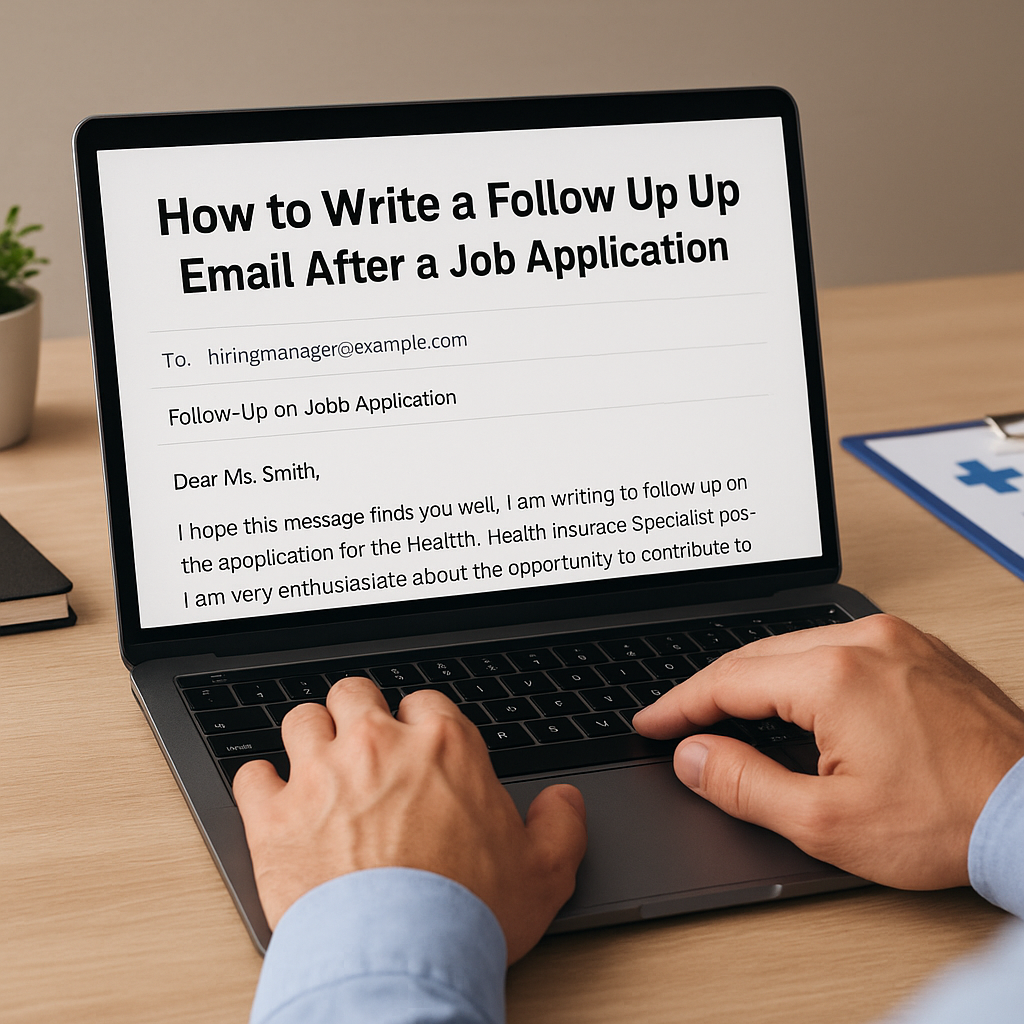
An organized email not only looks better but also facilitates easier reading. Here’s a suggested format:
- Subject Line: A clear, concise subject that identifies your application.
- Greeting: Address the recipient professionally.
- Body: Use short paragraphs and bullet points where applicable.
- Closing: Sign off warmly with your full name and contact details.
Example Email Format
Real-World Example of a Follow Up Email
Consider the example of Sarah, who applied for a software engineering position at a tech startup. After submitting her application, she waited a week and sent this simple yet effective follow-up email:
Not only did this email fall perfectly within the one-week follow-up timeframe, but it also effectively communicated her enthusiasm for the role and kept the lines of communication open.
Common Misconceptions About Follow Up Emails
Myths and Misunderstandings
- “Follow-ups annoy hiring managers.” In reality, well-written follow-up emails can showcase your interest and professionalism.
- “Follow-ups are only for interviewees.” Even applicants who have only submitted their applications can benefit from a follow-up.
- “I shouldn’t follow up until I’m told to.” Proactive follow-ups are acknowledged positively, so don’t hesitate to check in.
Clarifying Misconceptions
Most hiring managers appreciate candidates who take the initiative to follow up, as it displays motivation and interest.
5 Actionable Tips for Writing a Great Follow Up
Quick Do's and Don'ts
- Do: Personalize Your Email. Address the hiring manager by name and reference something specific about your interactions or the company.
- Don't: Make It Lengthy. Keep it brief and respectful of the recipient’s time.
- Do: Proofread Before Sending. Typos can create a negative impression.
- Don't: Appear Desperate. Be professional and confident in your tone.
- Do: Use a Clear Subject Line. Make your purpose obvious right from the start.
By following these tips, you’ll greatly improve your chances of making a lasting impression!
Conclusion & Key Takeaways
Writing a follow-up email after a job application doesn’t have to be daunting. By understanding how to write a follow up email after a job application, timing your outreach, and structuring your email effectively, you can strengthen your application and reinforce your interest in the position.
Key takeaways include:
- Always follow up within a week of your application.
- Keep your email short and professional.
- Express genuine interest in the role and appreciation for the opportunity.
Don’t let your application go cold—take action. Try our free resume builder to enhance your application profile and stand out from the competition!
FAQs About Follow Up Emails
Q1: How should I address the hiring manager if I don't know their name?
You can use a general greeting such as “Dear Hiring Manager.”
Q2: Can I follow up more than once?
Yes, but space out your follow-ups to avoid coming off as pushy. One follow-up is typically sufficient.
Q3: What if I get no response?
If you don't hear back after following up, consider moving on to other opportunities but keep the door open for future correspondence.
Q4: Should I follow up after an interview?
Absolutely! A follow-up email thanking the interviewer is advisable to reinforce your interest.
Q5: What if I don’t feel confident about my application?
Use the follow-up as an opportunity to express your enthusiasm and ask for feedback to improve future applications.