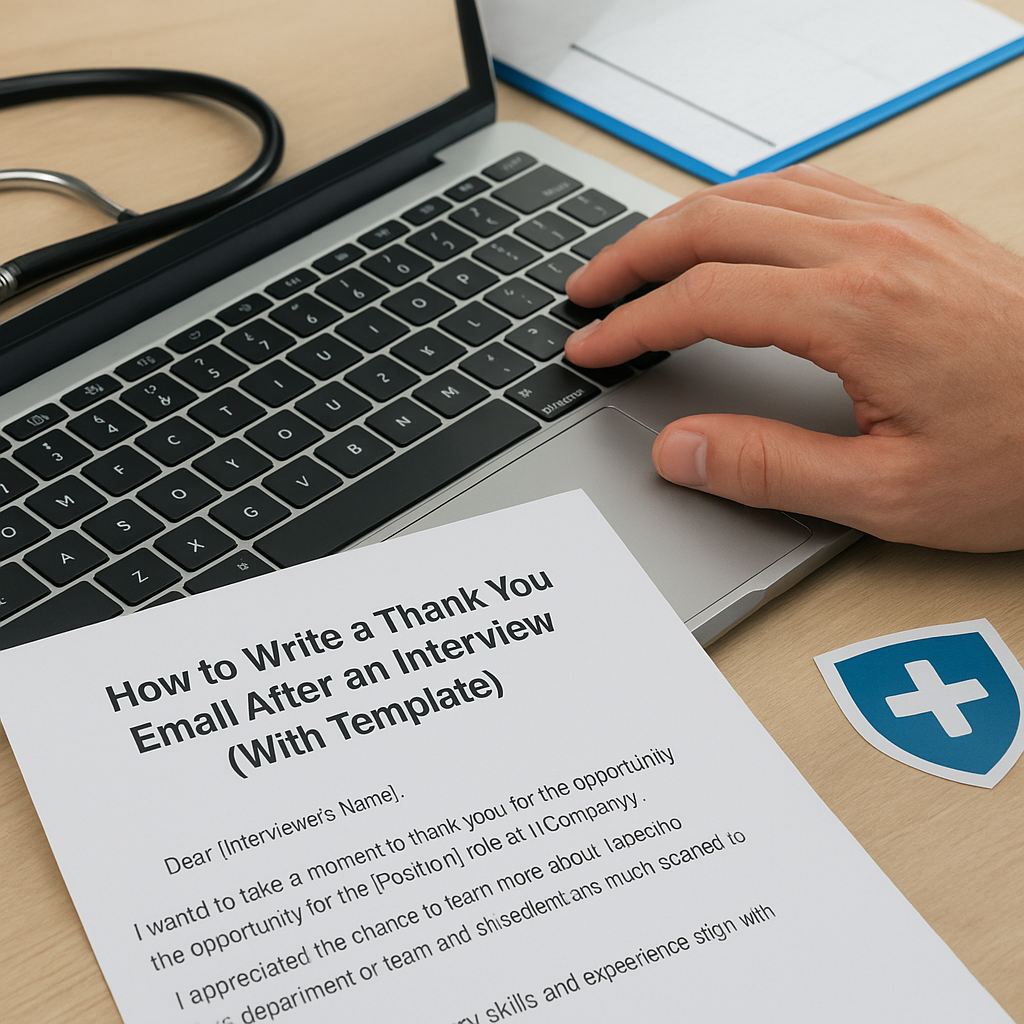
Cover Letter Closing Lines That Prompt a Callback
Discover effective cover letter closing lines that prompt a callback. Enhance your job application success with actionable examples and tips!
Introduction
The closing lines of your cover letter play a crucial role in your job application. Cover Letter Closing Lines That Prompt a Callback can make the difference between being overlooked and receiving that coveted invitation for an interview. Unfortunately, many job seekers miss this opportunity, either ending with a generic sign-off or failing to explicitly express interest in a follow-up. In this article, we’ll explore key strategies to craft powerful closing lines that not only resonate with hiring managers but also instill a sense of urgency and enthusiasm. To get started, try our Resume Builder — it's free and takes just minutes.
Understanding how to end your cover letter effectively is an art that can significantly increase your chances of getting a callback. Let’s dive into the nuances of crafting those critical last impressions.
Understanding the Importance of Cover Letter Closings
Closing lines are your last chance to convey enthusiasm and make a final impact on the reader. Why does this matter?
- Sets the Tone: A solid closing reflects your professionalism and attention to detail.
- Calls to Action: Effective closings prompt the recruiter to take the next step, encouraging them to reach out to you.
- Demonstrates Confidence: Ending assertively showcases your confidence in your skills and suitability for the position.
The Psychological Impact of a Strong Closing
When crafting your closing lines, consider the psychological effect they can have. A strong closing can evoke feelings of curiosity and anticipation. For instance, instead of saying "I look forward to hearing from you," which may seem passive, you might say, "I’m excited to discuss how my skills can contribute to your team’s success."
Make sure to integrate this understanding into your cover letter as you move forward.
Crafting the Perfect Closing Statement
A compelling closing statement consists of several elements. Here’s how to structure your closing to ensure it prompts a callback:
- Express Gratitude: Thank the reader for their time and consideration.
- Reiterate Enthusiasm: Reference the position and express excitement about the opportunity.
- Provide a Call to Action: Encourage them to reach out for further discussion, showing your eagerness to connect.
Sample Closing Statement
Here's a simple yet effective template to help you:
“Thank you for considering my application for the [Position Title] role. I am excited about the opportunity to bring my [specific skill or experience] to your team and contribute to [Company Name]'s success. I look forward to the opportunity to discuss my application further at your convenience.”
By following this structure, you will significantly enhance the quality of your closing lines.
Examples of Effective Closing Lines
Let’s look at some specific examples of Cover Letter Closing Lines That Prompt a Callback.
Direct and Confident:
- "I am eager to bring my expertise in [Your Field] to [Company Name] and contribute meaningfully to your projects. I welcome the chance to discuss how I can support your team during an interview."
Expressive and Inviting:
- "I appreciate your time in reviewing my application, and I am eager to explore how my skills align with the exciting goals at [Company Name]. I look forward to discussing this in detail."
Action-Oriented:
- "Thank you for your consideration. I would love the opportunity to further discuss how I can enhance [specific aspect of the company], and I am available for a call or meeting at your convenience."
Using Specific Company References
Incorporating specific references to the company can strengthen your closing further. Mention a value or goal of the company that you can contribute to, making your application feel personalized.
Common Mistakes to Avoid
When crafting your cover letter, there are pitfalls you need to steer clear of, especially in your closing lines:
- Generic Closings: Avoid commonly used phrases like "Thank you for your time." Instead, customize your lines to reflect your personality and enthusiasm.
- Overly Formal Language: Your closing should sound like a conversation, not a robot reciting formalities.
- Vagueness: Be precise about your intentions and follow-up wishes. Leaving room for ambiguity may prevent a callback.
- Neglecting to Proofread: Typos or grammatical errors in your closing line can diminish the professionalism of your letter.
Example of a Mistake and Fix
A poor closing might look like this:
"I hope to hear back soon."
A refined version could enhance your chances:
"I am enthusiastic about the opportunity and look forward to the next steps in the hiring process."
Being mindful of these common mistakes will make your closing lines stronger.
Tailoring Your Closing to the Company Culture
Understanding the company's culture is vital for crafting effective closing lines. Different industries and company types may appreciate different tones.
Researching Company Culture
You can gain insight into a company's culture through:
- Company Website: Review their "About Us" page and recent blog posts to understand their values.
- Social Media: Look at their job postings and social channels for clues on their communication style.
- Networking: Reach out to current or former employees for first-hand insights.
Adapting Your Closing
For a startup, you might adopt a playful tone, while a corporate job may require a more formal approach.
Example for Different Cultures:
- Startup: “Let’s chat about how my innovative ideas can drive customer engagement at [Company Name]. I’m keen to brainstorm exciting strategies together!”
- Corporate: “I welcome the opportunity to discuss how my financial expertise will align with [Company Name]’s commitment to excellence.”
Tailoring your closing appropriately demonstrates that you understand and fit into the company culture.
Follow-Up Strategies After Sending Your Letter
Sending a compelling cover letter is only half the battle. After you’ve submitted your application, consider these effective follow-up strategies:
- Timing is Key: Wait about a week after sending your application before following up.
- Email the Right Contact: If possible, find the recruiter’s or hiring manager's direct email for a personalized touch.
- Keep It Short: Your follow-up email should be concise, reiterating your enthusiasm and asking if there are updates on your application status.
Sample Follow-Up Email
Here's a template for a follow-up email:
Subject: Follow-Up on [Position Title] Application
Dear [Hiring Manager's Name],
I hope this message finds you well. I wanted to follow up on my application for the [Position Title] position submitted on [Submission Date]. I am very enthusiastic about the opportunity to contribute to [Company Name] and would appreciate any updates you could share regarding my application status.
Thank you for your time, and I look forward to hearing from you soon!
Best Regards,
[Your Name]
This approach keeps you top of mind while reinforcing your interest in the position.
Conclusion and Key Takeaways
Your cover letter's closing lines are your final opportunity to make an impression. By crafting Cover Letter Closing Lines That Prompt a Callback, you not only show your enthusiasm for the position but also encourage action from the hiring manager.
Key Takeaways:
- Express Gratitude and enthusiasm for the role.
- Be Specific and tailor your closing to fit the company culture.
- Use Confident Language to instill a sense of urgency.
As you refine your cover letter, remember to also consider running it through our Cover Letter Builder for additional insights on formatting and content clarity. Your cover letter is a vital tool — make it work for you!
FAQ Section
1. What should I avoid in closing lines?
Avoid generic phrases, overly formal language, and vagueness. Always aim for clarity and adaptability to the company culture.
2. Can I include a specific request in my closing?
Absolutely! Including a specific request, like a meeting or a call, emphasizes your eagerness to follow up.
3. How long should my cover letter be?
Aim for a one-page cover letter that captures attention quickly while providing essential information.
4. Should I customize my closing for each application?
Yes, personalizing your closing lines for each application shows attention to detail and a genuine interest in the position.
5. How can I ensure my cover letter is polished?
Consider using our ATS Resume Checker to catch discrepancies and optimize your cover letter for applicant tracking systems.
Now, take these insights and craft your closing lines to prompt that callback!