How to Write a Thank You Email After an Interview (With Template)
Sending a thank you email after an interview is no longer optional—it's essential. According to a Glassdoor survey, nearly 80% of hiring managers appreciate receiving thank you notes, making it a simple yet powerful way to reinforce your interest, showcase professionalism, and stand out from the competition. In this guide, we'll walk you through exactly how to craft the perfect post-interview thank you email, including a ready-to-use template and expert tips to leave a lasting impression.
Introduction
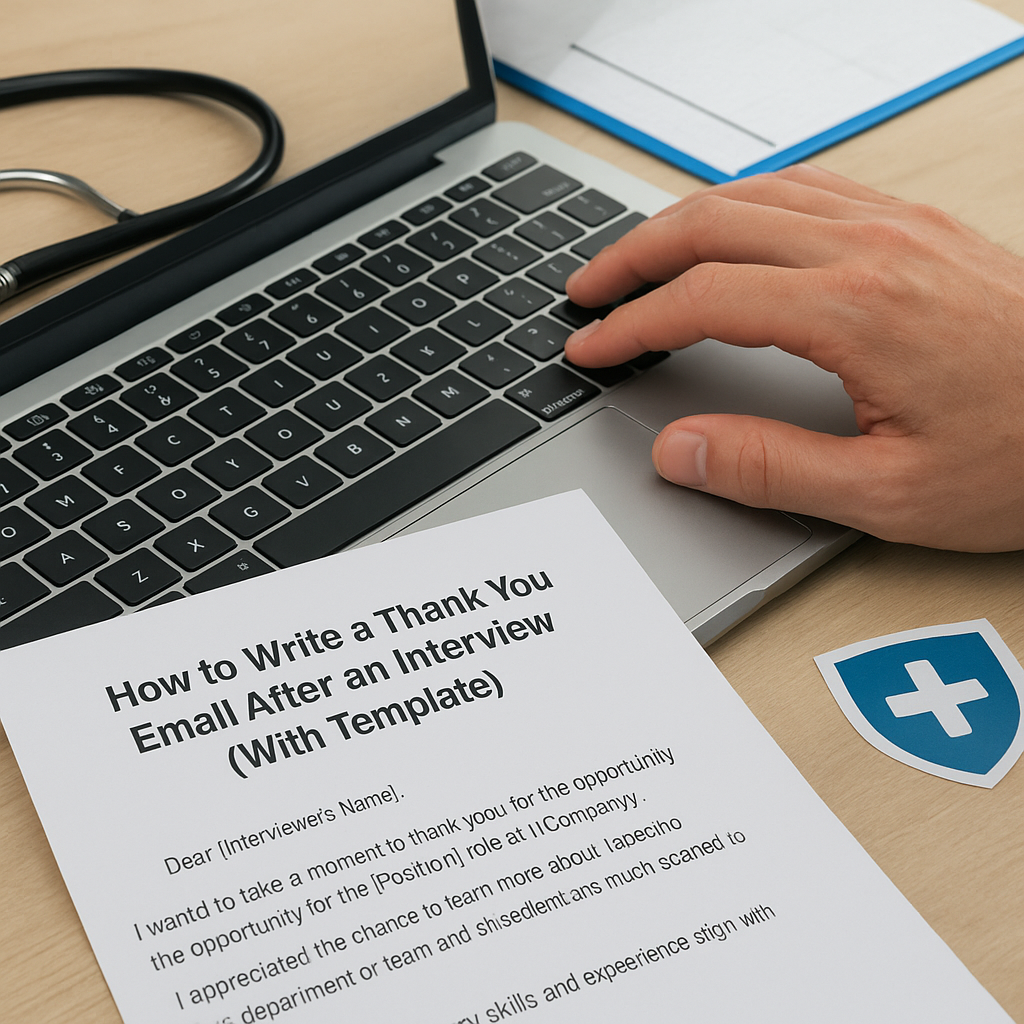
Sending a thank you email after an interview is no longer optional—it's essential. Not only does it demonstrate your professionalism, but it also provides a final opportunity to showcase your enthusiasm for the position. In this guide, we’ll walk you through how to write a thank you email after an interview, complete with a template and actionable tips.
When you take the time to follow up, you're reinforcing your interest and making a lasting impression on the hiring team. This post will cover everything from why it's important to send a thank you email to specific elements to include and a concise email template to help you craft your message. Let's get started!
The Importance of a Thank You Email
A thoughtful thank you email can be a deciding factor in the hiring process. According to a recent survey by Glassdoor, almost 80% of hiring managers appreciate receiving thank you notes after an interview. This simple act shows gratitude and can also highlight your communication skills—something that many employers find valuable.
Strengthening Your Connection
Your thank you email is an opportunity to reiterate your connection with the interviewers. By referencing specific topics discussed during the meeting, you create a personalized touch that can linger in their minds. By doing this, you're not just another candidate in the pile; you're someone worth remembering.
Standing Out Among Candidates
In a competitive job market, every little advantage counts. While the candidates may have comparable qualifications, a well-crafted thank you email can be the differentiator. It shows that you are detail-oriented and genuinely care about the position and the organization.
When to Send Your Thank You Email
Timing is crucial when sending your thank you email. Ideally, you should send it within 24 hours after the interview. This timeliness demonstrates your eagerness and keeps you fresh in the interviewers' minds.
Understanding the Context
If you interviewed in the morning, sending your email by the end of the day is ideal. If your interview was later in the day, sending it within the following morning is still acceptable. Additionally, if there were multiple interviewers, ensure you address each person to personalize your message effectively.
Elements of a Great Thank You Email
A compelling thank you email includes several key components that resonate with interviewers:
Subject Line:
- Keep it clear and concise, e.g., "Thank You for the Opportunity."
Greeting:
- Use the interviewer's name, e.g., "Dear [Interviewer's Name]."
Expression of Gratitude:
- Start by thanking them for the opportunity to interview.
Reference Specifics from the Interview:
- Mention something specific from your conversation to make it personal.
Reiterate Your Interest:
- Briefly express why you are excited about the role and the company.
Closing:
- Offer to provide any additional information if needed, and end with a professional closing, e.g., "Best regards."
Balancing Formality and Personal Touch
Remember to keep a formal tone while adding a personal touch. Use the interviewer's name and remarks to ensure that your email feels authentic—but don’t overdo casual language, as you still want to maintain professionalism.
How to Structure Your Thank You Email
Structuring your thank you email effectively can make all the difference. Here's a simple format to follow:
1. Subject Line
- Keep it simple: "Thank You for the Interview"
2. Greeting
- "Dear [Interviewer's Name],"
3. Opening Paragraph
- Thank them for the opportunity to interview. e.g., "I appreciate the chance to speak with you about the [Job Title] role."
4. Body of the Email
- Use one or two paragraphs to highlight specifics from your conversation and reiterate your interest.
- e.g., "I enjoyed our discussion about [specific project/initiative]. It reinforced my excitement about the role."
5. Closing Paragraph
- Offer to provide further information and express your eagerness.
- e.g., "Please let me know if you need any more information from my side."
6. Sign-off
- "Best regards," followed by your name.
Sample Thank You Email Template
Here’s a simple yet effective template to guide your writing:
Common Mistakes to Avoid
While sending a thank you email is crucial, there are pitfalls to avoid to ensure your notes make a positive impact.
Mistakes to Watch Out For
- Spelling and Grammatical Errors: Always proofread your email before sending. A simple mistake can undermine your professionalism.
- Lack of Personalization: Avoid using generic templates. Tailor your message based on the conversation you had.
- Being Too Casual: While warmth is important, maintain a professional tone.
- Delayed Sending: Sending your email much later than 24 hours can diminish its effectiveness.
- Adding Too Much Content: Keep it concise. Avoid writing lengthy paragraphs; focus on key points.
Wrap Up and Key Takeaways
Sending a thank you email post-interview might seem like a small gesture, but it plays a pivotal role in your job search. Crafting a thoughtful, tailored message enhances your relationship with the interviewers and strengthens your candidacy.
Key Takeaways:
- Send your email within 24 hours after your interview.
- Personalize your message by referencing specific points discussed in the interview.
- Use a clear structure to ensure your email is easy to read.
- Avoid common mistakes that could harm your chances.
For a successful job application, remember to build your resume alongside writing thoughtful follow-ups. Try our Professional Resume Templates and utilize our AI Career Assistant to enhance your application process!
FAQs
1. How early can I send a thank you email?
Aim for within 24 hours of your interview to keep your conversation fresh in their minds.
2. Should I mention other candidates?
Avoid discussing other applicants; the focus should be on your qualifications and interests.
3. Is it necessary if I had a phone interview?
Yes, follow-up emails are valuable regardless of the interview format.
4. Can a thank you email be too casual?
A professional tone is essential. While you can be warm, maintain formality.
5. What if I forgot to mention something important during the interview?
Use your thank you email to add any relevant points you missed during your interview.