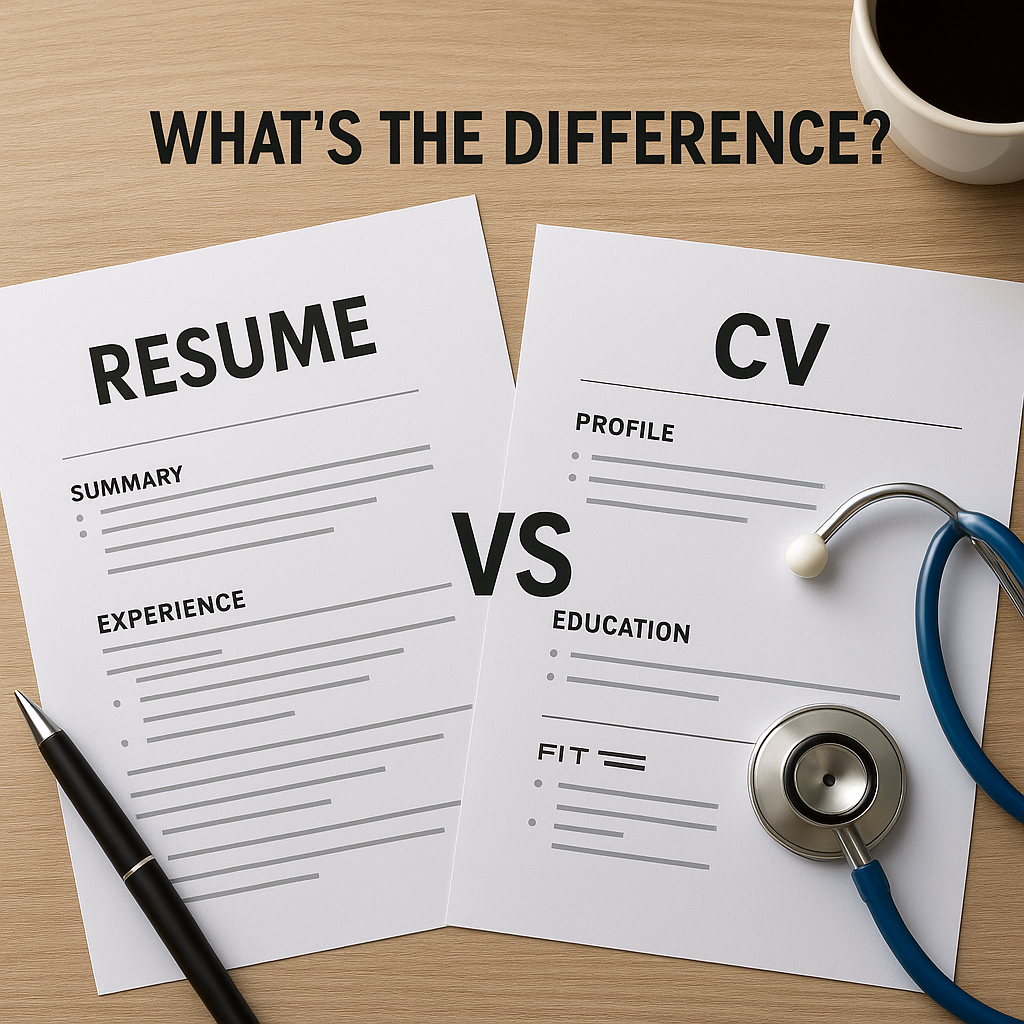
Resume vs CV: What’s the Difference?
Introduction Understanding the difference between a resume and a CV is crucial in today's competitive job market. Job seekers often grapple with th
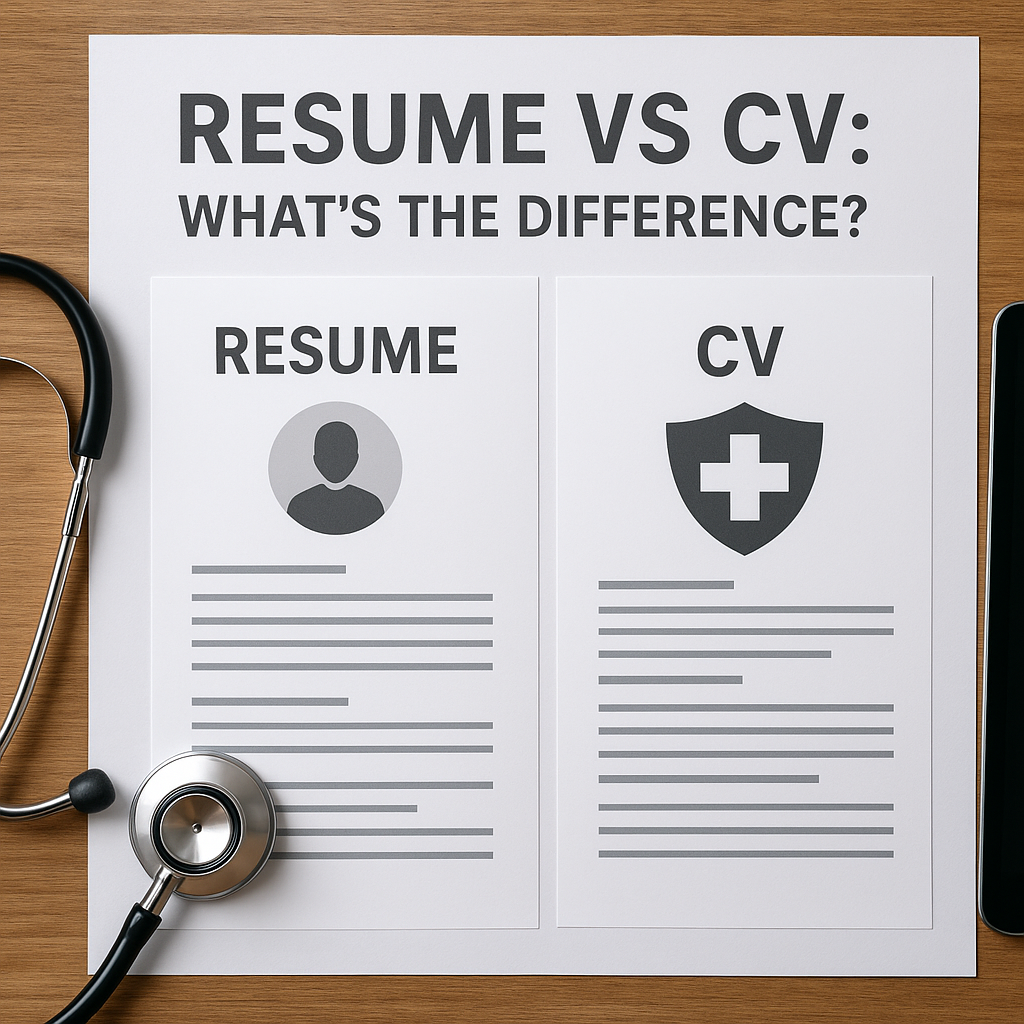
Introduction
Understanding the difference between a resume and a CV is crucial in today's competitive job market. Job seekers often grapple with this confusion, which can lead to missed opportunities. Whether you're applying for a position in a corporate setting, an academic role, or a government job, knowing which document to create and how to tailor it can significantly impact your chances of success.
In this guide, we will break down the characteristics, structures, and scenarios for using resumes and CVs effectively. Ready to sharpen your job search strategy? Let’s dive in!
Defining a Resume
Structure and Length
A resume is a concise document that summarizes your skills, experience, and education relevant to a specific job. Typically, it's one page but can extend to two in certain circumstances, particularly for those with extensive experience. Here’s a typical structure:
- Contact Information: Your name, phone number, email, and LinkedIn profile.
- Professional Summary: A brief intro statement outlining your career goals.
- Work Experience: List your jobs chronologically, focusing on achievements.
- Education: Your degree(s) and relevant coursework.
- Skills: Technical skills relevant to the job you're applying for.
A well-crafted resume is essential for making a strong first impression. According to the Bureau of Labor Statistics, resumes are often the first line of communication with potential employers, so clarity and conciseness are your friends.
Understanding a CV
Structure and Length
A Curriculum Vitae (CV) is a comprehensive document that outlines your entire academic and professional history. Unlike a resume, CVs are longer—often exceeding two pages. The structure usually includes:
- Personal Information: Name, contact details, and linked professional profiles.
- Education: Detailed information about your academic credentials.
- Professional Experience: Similar to a resume but more extensive, including roles, duties, and accomplishments.
- Research and Publications: Especially important for academic positions.
- Certifications and Memberships: Relevant professional affiliations.
This extensive overview is particularly favored in academia, research, and medical fields.
Key Differences Between a Resume and a CV
When differentiating between a resume and a CV, consider the following key aspects:
- Length: Resumes are typically concise (1-2 pages), while CVs are more detailed and can be several pages long.
- Purpose: Resumes are tailored to specific job applications; CVs provide a holistic view of your career, mainly for academia or specialized roles.
- Content: CVs include exhaustive detail about academic achievements, whereas resumes focus on relevant experience and skills related to the job at hand.
Understanding these differences can assist in properly aligning your application documents with job expectations.
When to Use Each?
Resumes for Job Applications
You should default to a resume when applying for most private-sector roles. Resumes allow you to highlight experiences and skills directly relevant to the positions you seek. For instance, if you're applying for a marketing position, emphasize your marketing skills, campaigns led, and measurable outcomes.
CVs for Academic and Research Positions
In contrast, if you're interested in an academic role, research-related positions, or applying for grants, a CV is more suitable. A professor applying for an academic position will showcase their extensive teaching experience, publications, and conferences attended.
Common Misconceptions About Resumes and CVs
Many job seekers harbor misconceptions about resumes and CVs that can hinder their application success. Here are some clarified points:
One Size Fits All: Some believe one document can serve all purposes. Tailoring your resume or CV to match the job specifications is imperative.
Length Doesn't Matter: Another myth is that length equates to quality. Keeping it concise for resumes is crucial; CVs can afford to be more detailed.
CVs Are Obsolete: Many think CVs are outdated; however, they remain a requirement in specific fields such as academia and research.
Educating yourself about these misconceptions can ease the job application process and enhance your career strategy.
Practical Tips for Job Seekers
To ensure you're on the right track for your job search, here are actionable tips for both resumes and CVs:
- Tailor Each Document: Customize your resume or CV for each application.
- Use Keywords: Incorporate keywords from the job description to pass Applicant Tracking Systems (ATS).
- Highlight Achievements: Focus on quantifiable achievements rather than duties.
- Keep It Professional: Use a clean, professionally formatted layout.
- Proofread: Errors can be detrimental; ensure you proofread for grammar and spelling mistakes.
These simple yet effective strategies could make all the difference in your job search.
Case Study: Resumes and CVs in Action
Let’s take Jane, a PhD candidate applying for a teaching position in a university. She begins with a comprehensive CV, documenting her extensive research works, publications, and teaching experiences. By utilizing her CV, she's able to present a complete picture of her academic journey.
Conversely, her peer Tom applies for a marketing position at a tech startup. He opts for a tailored resume demonstrating his relevant marketing experience, skills in digital campaigns, and measurable success promoting products. Both candidates succeed using documents that effectively communicate their experiences tailored to their career aspirations.
Conclusion & Key Takeaways
In summary, the difference between a resume and a CV lies primarily in their length, content, and intended use. Knowing when to use each document appropriately can enhance your job search effectiveness.
- Resumes are concise; CVs are comprehensive.
- Resumes are job-specific; CVs present a full career view.
- Tailoring your document is essential for success.
Ready to create a standout resume or CV? Build your resume using our free tool today!
FAQs
Do I need both a resume and a CV?
It depends on your career field. Most private-sector jobs require a resume, while academia favors CVs.
Can I convert my CV into a resume?
Yes! Focus on relevant experiences and tailor it to the specific job you're targeting.
How long should my resume be?
A resume should ideally be one page. However, two pages may be acceptable if you have extensive experience.
Is it acceptable to use a template?
Absolutely! Just ensure it is professional and customizable to reflect your unique experiences.
How often should I update my resume or CV?
Aim to refresh your documents every 3-6 months or after significant career changes or new accomplishments.
Last reviewed: October 2023. Updates suggested every 6 months.
#