What to Do If You Haven't Heard Back After Applying (Follow-Up Guide)
Not hearing back after applying for jobs? This follow-up guide gives you actionable steps to take and tips on how to proceed effectively.
Introduction
You've just finished applying for your dream job and are eagerly awaiting a response, but days turn into weeks with no word from the hiring team. What to do if you haven't heard back after applying (Follow-Up Guide) is a common challenge many job seekers face. This guide will provide you with the insights and strategies you need to take the right steps after submitting your application.
Before diving into follow-up techniques, it's essential to understand the reasons behind recruitment delays. Companies often take their time to review hundreds of applications, and many factors can influence the timeline. Your proactive approach can set you apart from other candidates — not only by showcasing your interest but also by reinforcing your professionalism.
Let’s explore what you can do when you find yourself wondering about that elusive application status.
Understanding the Hiring Process
The Recruitment Timeline
Before deciding on your follow-up strategy, it’s helpful to understand the typical recruiting timeline. According to the Bureau of Labor Statistics — Occupational Outlook, companies may spend several weeks assessing candidates. In this phase, hiring managers sift through applications, conduct interviews, and evaluate potential fits for their teams.
Companies’ Decision-Making Factors
Many factors can contribute to delays:
- Volume of Applications: The more applicants, the longer it takes to identify suitable candidates.
- Internal Processes: Different departments might be involved, prolonging the decision-making process.
- Procrastination: Sometimes, the hiring team is simply busy with other priorities.
Having realistic expectations about these timelines can help calm your nerves during the waiting game.
When to Follow Up
The Right Timing
Timing is crucial when considering a follow-up. Generally, after you submit your application, it’s ideal to wait about one to two weeks before reaching out. If there is still no response, check the job listing for potential follow-up timelines mentioned by the employer.
Case Study: The Case of the Delayed Decision
Take the example of Rachel, who applied for a marketing position two weeks ago. After diligent research, she learned that the company typically takes three weeks to review applications. Instead of worrying, she decided to wait, understanding that the process is long. This patience showcased Rachel's awareness of the recruitment cycle, placing her in a favorable light.
Crafting a Follow-Up Message
Components of an Effective Follow-Up Email
When writing your follow-up email, consider the following tips:
- Be Concise: Keep your email short and to the point.
- Show Enthusiasm: Reiterate your interest in the position.
- Polite Inquiry: Ask about the status of your application rather than just checking in.
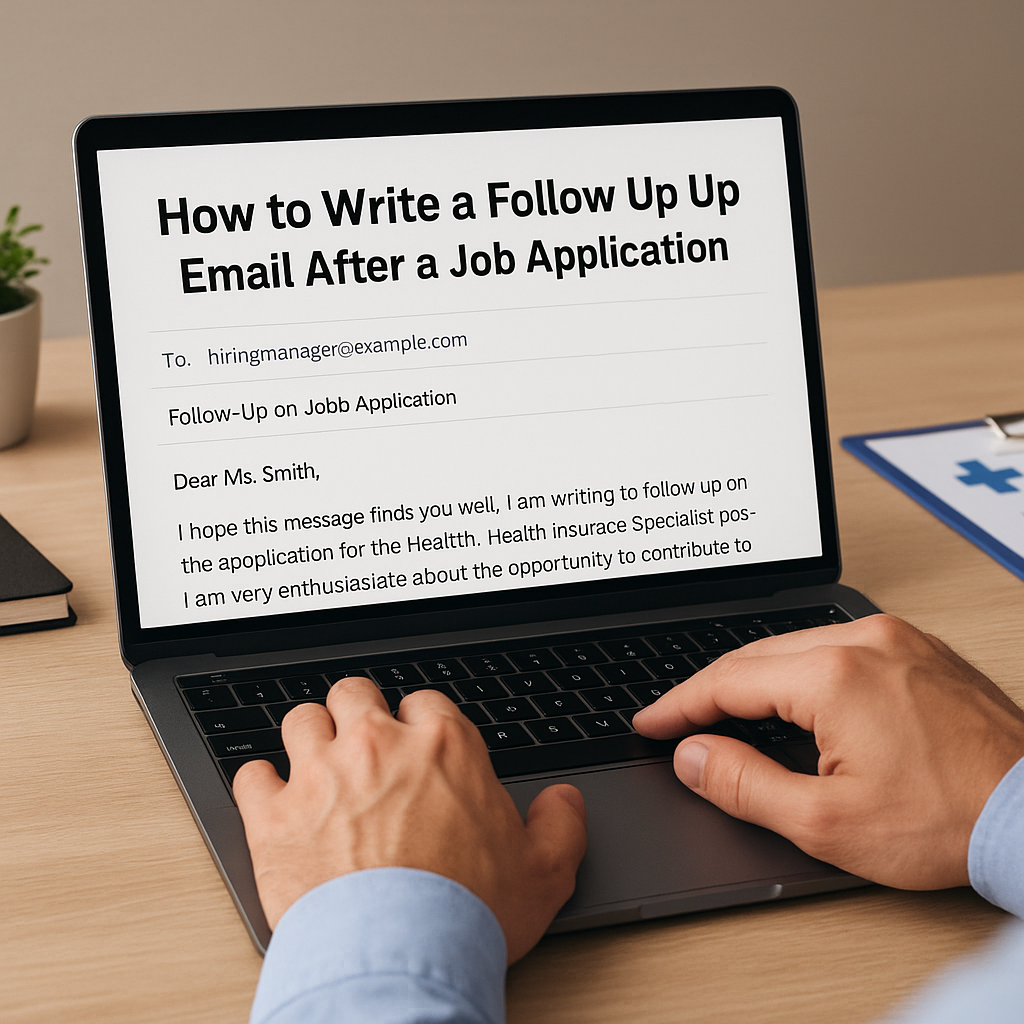
Example Follow-Up Email
Subject: Follow-Up on Application for Marketing Role
This structure not only conveys your professionalism but also keeps the hiring team engaged with your application.
What to Do After You Follow Up
If You Receive No Response
After your follow-up, if weeks go by without any feedback, it's essential to consider a few proactive steps:
- Continue Your Job Search: Don’t put all your eggs in one basket; continue applying elsewhere.
- Network: Connect with employees in the industry to learn about new opportunities.
- Assess Your Resume: Ensure your application materials shine. Run your resume through our ATS Resume Checker to identify any gaps.
Prepare for Other Opportunities
Being open to alternative positions or industries can widen your job search.
Handling Different Scenarios
Job Accepted but No Response
Imagine you’ve previously received an acceptance email stating you’d hear back soon with details, but it’s now been weeks. Politely reaching out to inquire about a timeline can ensure clarity without sounding impatient.
Rejection After an Interview
In the unfortunate event of a rejection, it’s important to handle it with grace. Learn how to process such feedback effectively in our article on how to handle a rejection after an interview.
Common Questions and Misconceptions
“Should I Follow Up at All?”
Absolutely! Following up demonstrates your interest in the role and shows you're proactive in your job search.
“What If I Upset the Recruiter?”
Most hiring managers appreciate a polite nudge. Companies understand that candidates are eager to know their status and are usually willing to provide updates.
Actionable Tips for Job Seekers
- Draft Your Follow-Up: Have a template ready that you can personalize for each application.
- Be Professional: Always maintain a respectful tone in your communications.
- Track Your Applications: Use a spreadsheet to monitor responses, deadlines, and follow-ups.
- Leverage Social Media: Connect with company employees on LinkedIn—it could lead to more insights.
- Invest in Your Resume: A great resume will stand out to employers. Consider using our Resume Builder to enhance your materials.
By following these steps, you'll be well on your way to successfully managing your job search.
Conclusion and Key Takeaways
Finding yourself in a "waiting game" after applying for a position can be frustrating, but knowing what to do if you haven't heard back after applying (Follow-Up Guide) provides clarity. Following up politely not only shows your interest but also keeps you in the minds of the hiring team. When in doubt, continue your job search and network effectively.
To increase your chances of success, ensure your application materials are compelling. Build your resume today and stand out in your job search!
FAQ
How long should I wait to follow up after applying for a job?
It's recommended to wait around one to two weeks before sending a follow-up email.
What if I don’t receive a reply after my follow-up?
If you don’t hear back, continue searching for other opportunities while keeping your options open.
Can following up hurt my chances?
No, as long as your approach is professional and respectful, it typically reflects positively on you.
Should I follow up after an interview?
Yes, following up after an interview is a great way to reiterate your interest and thank the interviewer. For tips, check our guide on how to follow up after an interview.
What should I do if I'm rejected?
You can handle a rejection gracefully and learn from it. For strategies, see our article on how to handle a rejection after an interview.
Image illustrating the steps to take after applying for a job with a follow-up guide overlay.